

July 27, 2026 | Cargo Insurance
Stopping Fraud Before Freight Moves: Tips on Carrier Vetting and Risk Control


By David Pasco, VP of Sales, Roanoke Insurance Group
As strategic theft, fraud, and fictitious pickups continue to rise, businesses in the transportation and logistics industry face significant financial risks. An effective way to mitigate these risks is to act before freight moves, through disciplined vetting, documentation, and other tools.
Fraud is increasing and becoming more sophisticated. Of particular concern is the steep increase in “strategic theft,” which represents more than 25% of all cargo theft incidents, according to the American Transportation Research Institute (ATRI). Unlike traditional cargo theft, where an entire load is stolen from a location such as a truck stop, parking lot, or roadside, strategic theft uses deception – often cyber fraud and identity manipulation – to divert freight at various points in the supply chain.
Strategic theft can involve identity theft and impersonation, fictitious pickups of cargo, account takeovers, double-brokering scams, and fraudulent motor carriers, according to the Federal Bureau of Investigation.
How strategic theft occurs
Digitization of the supply chain brings more efficiency to moving freight, but it also enables sophisticated criminals to exploit the systems that coordinate shipments. Common examples of strategic theft are as follows:
A property broker posts a shipment on a load board and is contacted by an individual who poses as the motor carrier. The imposter, after persuading the property broker to share load details, contacts an unsuspecting motor carrier and arranges the shipment using falsified documentation. The legitimate carrier, not suspecting it is being used in a fraudulent scheme, delivers the load to a warehouse controlled by the perpetrator. By the time the fraud is discovered, the cargo is long gone.
A double-brokering scheme could involve defrauding multiple parties. In this type of strategic theft, a shipper tenders freight to a broker, who, instead of hiring a motor carrier, consigns the freight to another broker, without the shipper’s consent. That second broker then hires a motor carrier to transport the freight, potentially to a location controlled by the perpetrators. In this scam, criminals may pose as legitimate carriers or brokers.
Why intermediaries are exposed
Transportation intermediaries, property brokers, freight forwarders, customs brokers, non-vessel operating common carriers (NVOCCs), and other logistics service providers and shippers are all at risk from cargo theft and fraud.
An ATRI analysis found that, as of 2023, 65% of motor carriers and 100% of logistics service providers had experienced cargo theft, with an average loss of more than $116,000. ATRI estimates cargo theft costs the trucking industry alone $18 million each day, and $35 billion annually across the entire supply chain. For practical strategies to reduce these risks, download Roanoke’s whitepaper, Stop Fraud Before the Freight Moves: A Guide to Carrier Vetting & Risk Control, which outlines best practices for strengthening carrier selection and fraud prevention before freight is ever dispatched.
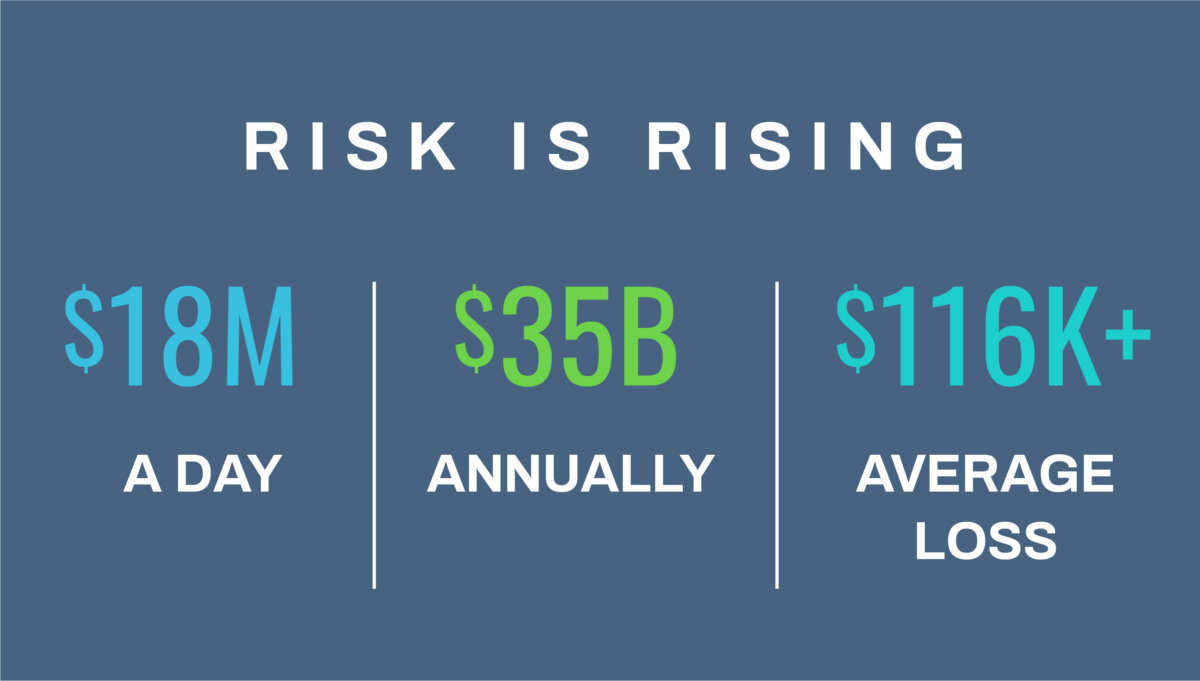
Source: American Transportation Research Institute (ATRI), The Fight Against Cargo Theft: Insights from the Trucking Industry (Oct. 2025).
Growing sophistication by criminal groups in attacking the supply chain to divert valuable cargo means intermediaries’ exposure to theft is also rising. Mitigating that exposure calls for comprehensive vetting and risk control measures that adapt to defeat criminals’ evolving tactics.
Core elements of a comprehensive vetting strategy
Transportation intermediaries and others in the industry should consider carrier selection a first line of defense, not an administrative task. Undisciplined and inconsistent carrier vetting leads to greater loss exposure.
An effective comprehensive vetting strategy is multi-layered. Best practices include the following, which should be done before freight moves:
- Attorney‑drafted carrier/co‑broker agreements. These contracts should include requirements for minimum safety ratings, insurance, double-brokering restrictions, licensing, payment terms, and more.
- Documented internal processes. Consistent documentation provides a framework for standards, which are important to all well-managed businesses. Documentation also assists in defending claims of negligence and disputes with customers.
- Real‑time monitoring of carrier data by a third-party vendor. Various sources offer to monitor carrier safety ratings and business data.
- Working knowledge of regulatory data. Intermediaries should know how to access and use the Federal Motor Carrier Safety Administration (FMCSA) and Safety Fitness and Electronic Records (SAFER) systems. These can provide valuable insight into a carrier’s compliance.
- Clarity on the role of insurance and its limitations. Risk transfer is an important solution for transportation intermediaries, but it is imperative that they understand what is in their policies. What coverages apply in selecting a motor carrier or co-broker? What are the policyholder’s responsibilities when contracting with a carrier?
Recommended steps in risk control include verification of the motor carrier’s or co-broker’s authority and identity, the carrier’s safety rating, and the insurance coverage of the carrier or co-broker.
Role of insurance in a broader risk strategy
Insurance plays an important role in protecting transportation intermediaries as part of a broader risk management strategy. From minimum motor truck cargo limits and auto liability coverage for motor carriers to contingent cargo, errors and omissions liability, and cyber insurance for property brokers, different coverages reduce exposures that vary among transportation businesses.
Prevention of cargo theft and fraud must start before freight moves. Insurance supports, but it does not replace, strong risk control practices. Vetting of carriers and documentation of internal processes make transportations businesses less attractive targets.
Request a Coverage Gap Analysis by a Roanoke transportation specialist to help identify gaps in your carrier vetting, fraud prevention, and insurance program.
Disclaimer: This information is provided as a public service and for discussion of the subject in general. It is not to be construed as legal advice. Readers are urged to seek professional or legal guidance from appropriate parties on all matters mentioned herein.


